US Dollar Index Rises Above 98.50 Ahead of Michigan Data.
US Dollar Index Extends Rally Above 98.50 as Markets Await Consumer Sentiment Data
Market Overview
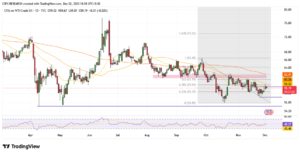
The US Dollar Index (DXY) extended its rebound for a third straight session on Friday, trading around 98.60 during European hours. The move reflects short-term positioning ahead of key US data, with investors turning their attention to the University of Michigan Consumer Sentiment Index for December later in the day.
While the near-term tone has improved for the dollar, broader sentiment remains cautious as markets continue to reassess the Federal Reserve’s policy outlook following a softer inflation backdrop.
Fed Rate-Cut Expectations Cap Dollar Upside
Despite the recent bounce, gains in the US Dollar may be limited by growing expectations of future Fed rate cuts. A weaker-than-expected inflation report for November reinforced the view that price pressures are cooling faster than previously anticipated.
Market pricing now reflects a gradual shift toward easing. Expectations for the Federal Reserve to keep rates unchanged at its January meeting have slipped to around 73%, while the probability of a 25-basis-point rate cut has edged higher toward 27%. The evolving outlook has kept longer-term yield support for the dollar in check, even as short-term demand improves.
Inflation Data Reinforces Dovish Narrative
Fresh data from the US Bureau of Labor Statistics showed headline CPI inflation easing to 2.7% year-on-year in November, undershooting expectations. Core inflation, which strips out food and energy prices, also surprised to the downside, rising 2.6%, its slowest annual pace since 2021.
The cooling inflation profile strengthens the case for policy easing in 2025 and beyond, limiting the scope for a sustained dollar rally unless growth data shows renewed momentum.
Political Signals Add to Policy Uncertainty
Adding another layer to the policy narrative, President Donald Trump said on Thursday that the next Federal Reserve chair would strongly favor lower interest rates. He also indicated that an announcement regarding a successor to current Fed Chair Jerome Powell would be made soon.
While the Fed’s independence remains intact, political rhetoric continues to influence market perceptions around the future direction of US monetary policy.
What Traders Are Watching
With inflation data largely behind them, traders are now focused on indicators that could validate or challenge expectations of a softer economic outlook. The University of Michigan Consumer Sentiment Index will offer insight into household confidence, inflation expectations, and spending intentions—factors that could influence near-term dollar positioning.
Stronger sentiment could help the DXY consolidate above the 98.50 level, while a weaker reading may quickly revive selling pressure.
Summary
The US Dollar Index has climbed back above 98.50, extending a short-term recovery ahead of key consumer sentiment data. However, softer inflation, rising expectations for future Fed rate cuts, and renewed political commentary continue to cap upside potential. As markets balance short-term data risks against a longer-term easing narrative, the dollar’s next directional move will depend heavily on incoming confidence and growth signals.
FAQ
1. Why is the US Dollar Index rising now?
The DXY is benefiting from short-term positioning and cautious optimism ahead of key US data, including consumer sentiment figures.
2. What is limiting further upside in the dollar?
Cooling inflation and growing expectations for future Federal Reserve rate cuts are reducing the dollar’s longer-term yield advantage.
3. Why is the University of Michigan Consumer Sentiment Index important?
It provides insight into consumer confidence, inflation expectations, and spending behavior, which can influence growth and monetary policy expectations.
4. How does inflation data affect the US Dollar?
Lower inflation reduces pressure on the Fed to keep rates high, which can weigh on the dollar by narrowing interest rate differentials.
5. Could political developments impact the dollar?
Yes. Comments about future Fed leadership and interest rate preferences can influence market sentiment and expectations around monetary policy.
Disclaimer: This article is for informational purposes only and does not constitute financial, investment, or trading advice. Market conditions can change rapidly, and readers should conduct their own research or consult a qualified financial professional before making any investment decisions.